Welcome back Nomads! I hope the week is treating you well and your stress regarding study abroad is low!
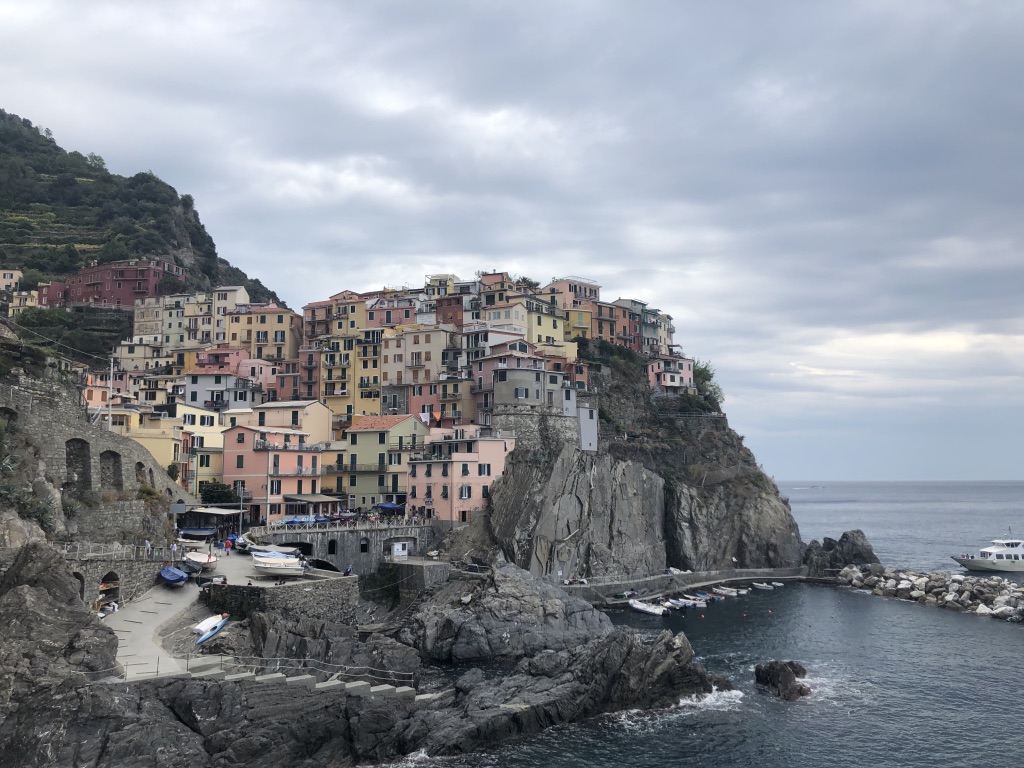
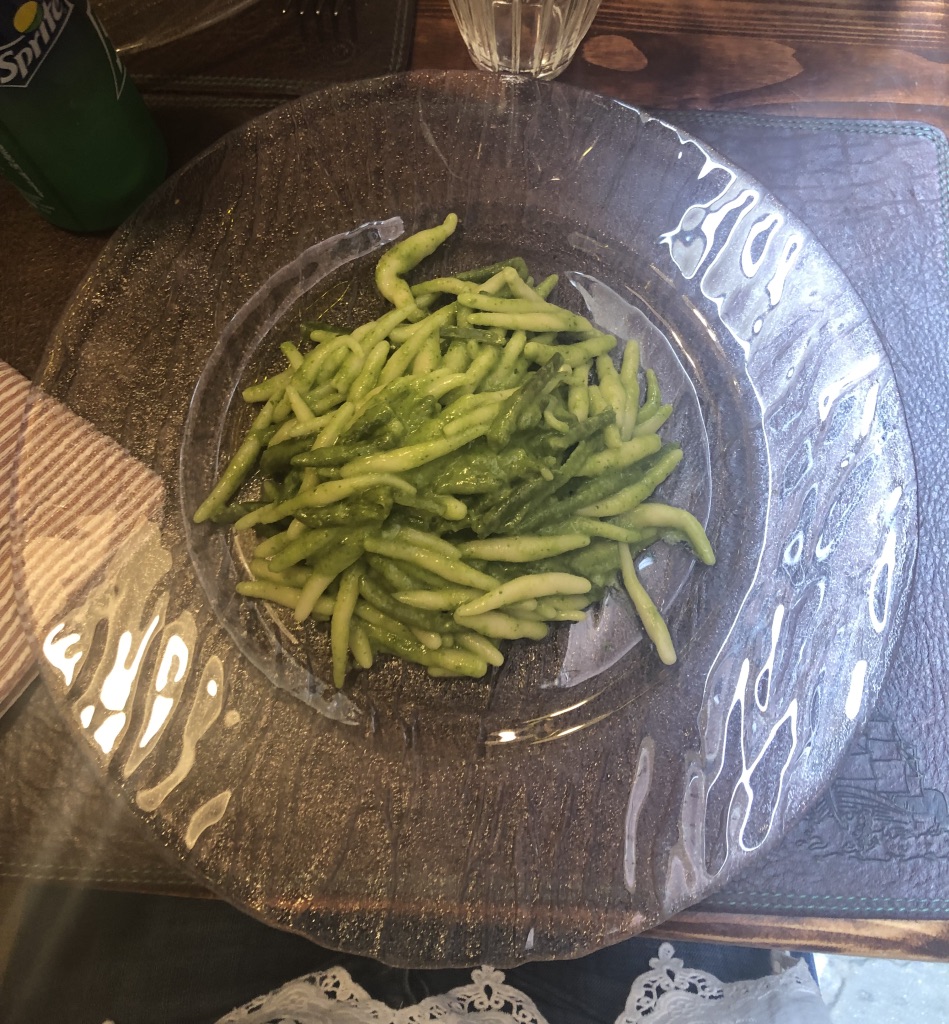
As some of you may already be abroad, or those of you who are trying to prepare yourselves for what’s to come, my information this week pertains to some cultural differences you may find while overseas. For starters, food is one of the most differentiating aspect of countries. Wherever you’re studying, you can expect to find some interesting food options throughout you time abroad. That said, each culture has its own sort of traditional, “local” food. For instance, when we visited Florence, they had a sandwich called “trippa” which consisted of cow stomach…yum. I going to be completely honest here and say that I had no intentions of trying this. I don’t eat a lot of meat anyways, so I was not about to venture back to my meat-eater days while in Florence. INSTEAD, we visited another quaint city in Italy named Cinque Terre, and it is here where I had some amazing pesto. Instead of cow stomach, Cinque Terre is known for their pesto, which I have to say was pretty mouthwatering…I’ll insert a picture below!
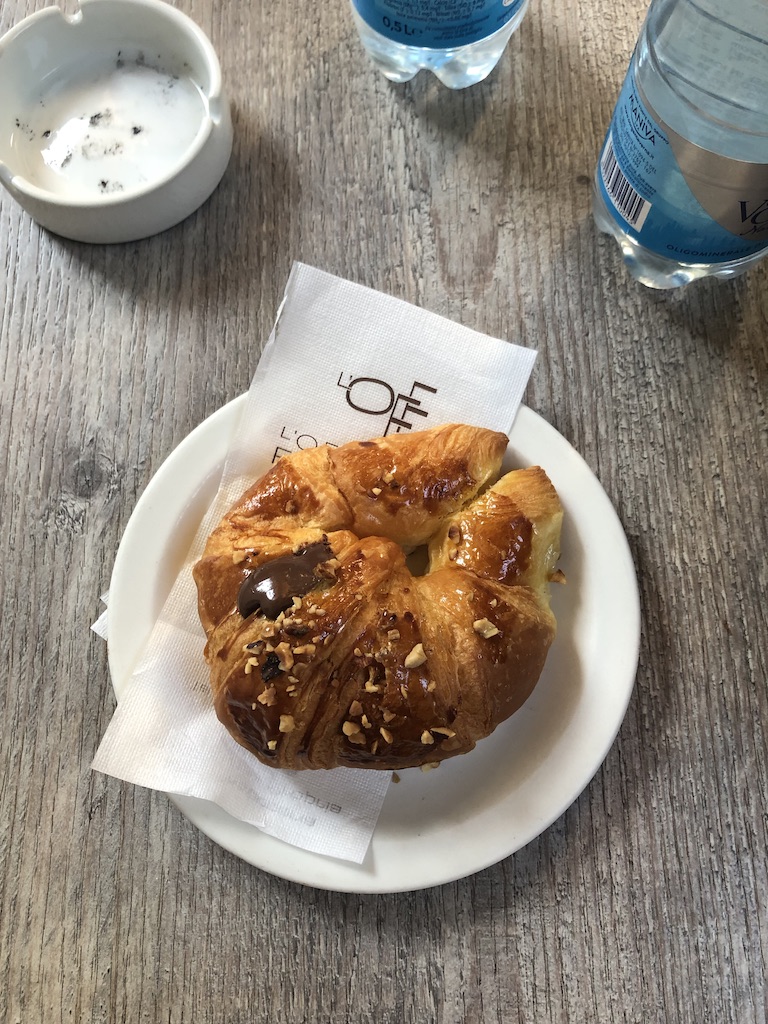
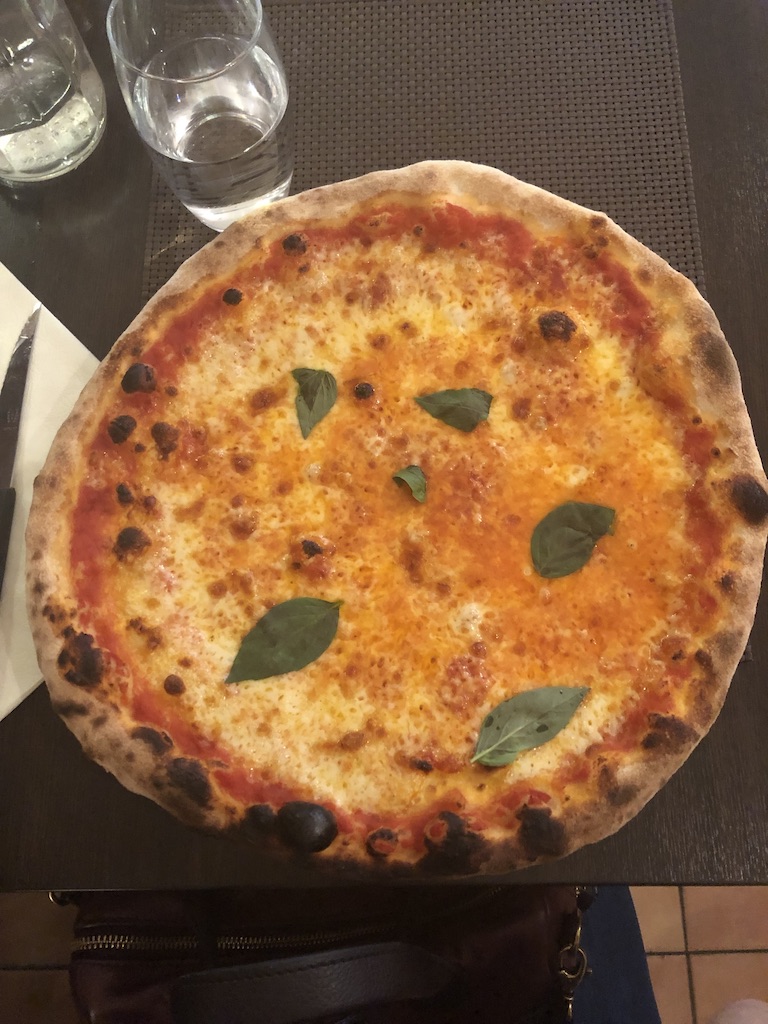
Aside from Italy, England is known for fish and chips. I personally don’t like fish either, so of course our first dinner in London consisted of a big heaping of fish and chips. Thankfully another popular dish in London is the pasty, which is almost like a calzone, but with cheese and onions instead of pizza sauce. This is all to say that if you’re a picky eater like myself, don’t let that steer you away from studying abroad. Although there can be some interesting food-finds, most places will have more “Americanized” meal options such as pasta, chicken, burgers, or pizza. There were plenty of times when I went over to McDonald’s and ordered some fries and a McFlurry, or even some pizza from nearby pizza places. This is also to say, though, if you are a picky eater, don’t be afraid to try some new foods too. My roommate isn’t keen on spicy food, yet I took her to Nando’s—let’s just say the most amazing Portuguese food you’ll find in the UK—and she absolutely loved it! I have to say we probably ate there at least twice a week while in London.
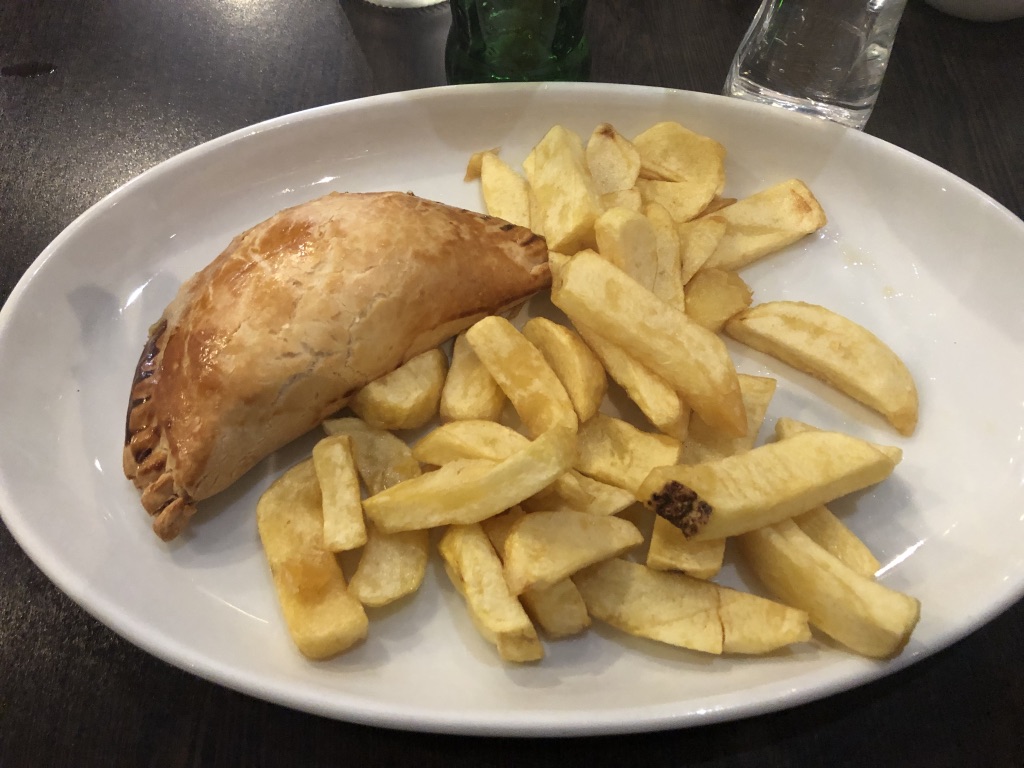
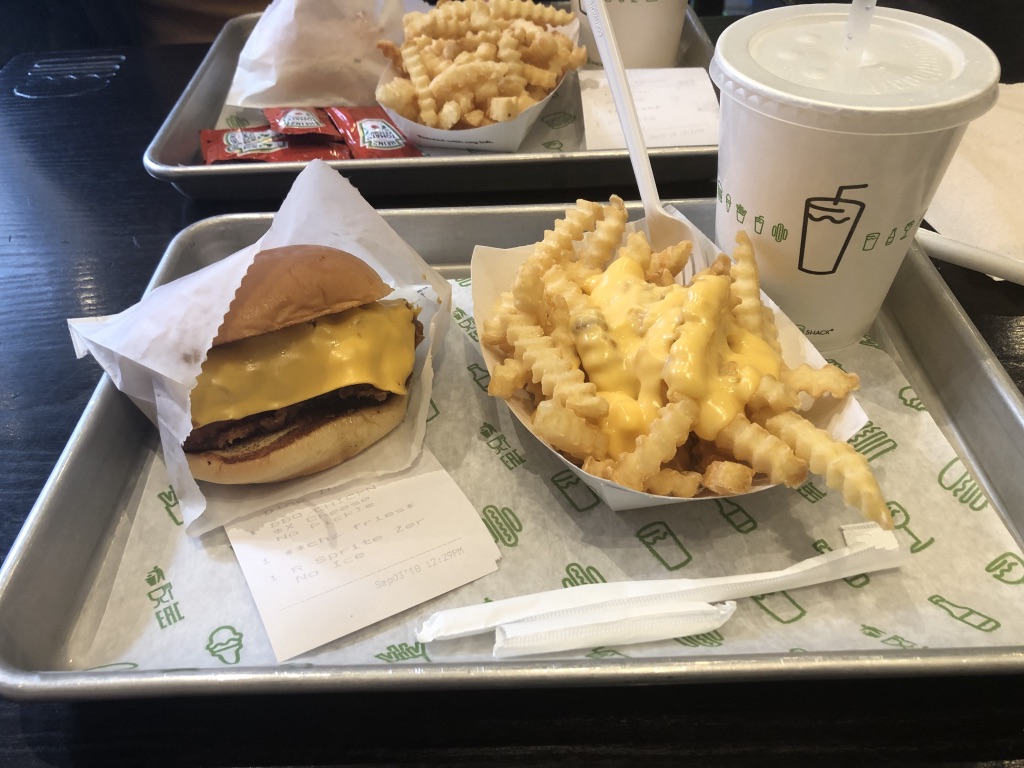
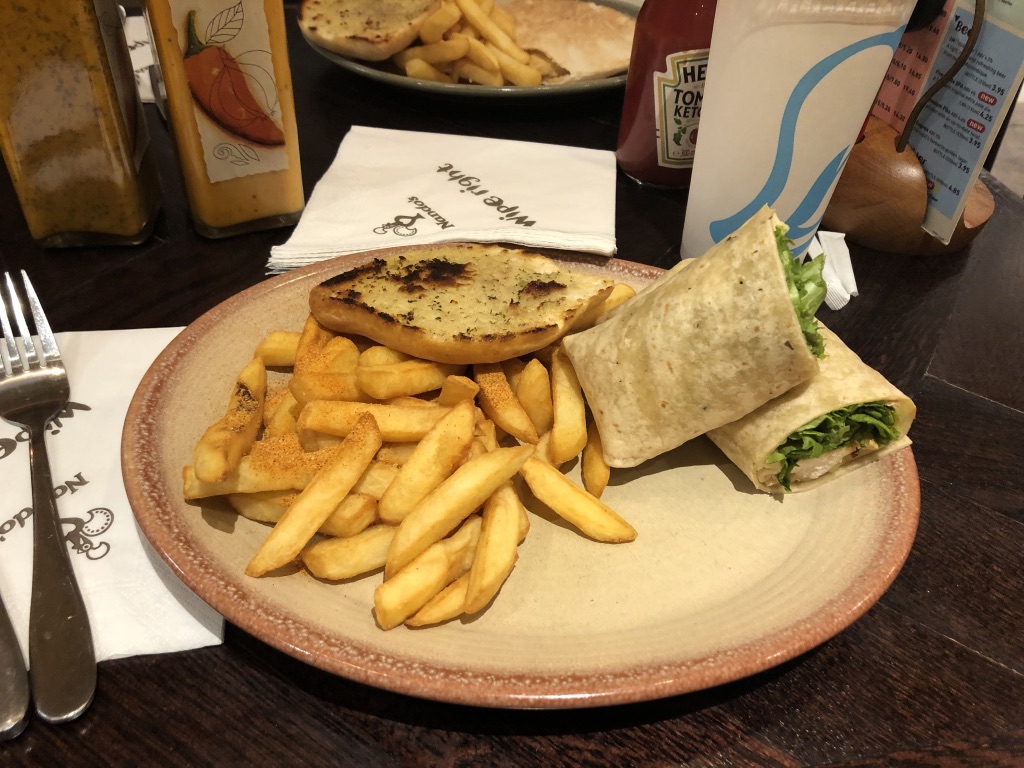
As a slight tangent, I will say, if you ever find yourself in London, I highly suggest Nando’s for chicken, Wagamama for delicious ramen, or even The Diner (in Carnaby) for American food! All are AMAZING!
This is all to say that each country may have it’s own traditional food, yet most places also have a variety of other food choices, especially within larger cities where tourists often visit. So don’t be afraid to take a few food risks…maybe not cow stomach sandwiches…but you get the point! And if worse comes to worst, there’s always going to be a McDonald’s somewhere!
Along with food, something that you will have to be aware of and balance consistently are the norms of each country’s culture. Although this coincides with understanding their culture, it’s a different aspect in the sense that I’m referring to the little things that you may do that seem strange to those in your host country and vice versa. For instance, in the U.S. it’s custom that we tip at restaurants or places in which people provide services for us, yet in Europe—primarily the UK—if you try and tip them, they may give you a deer-in-the-headlights look. In the UK, at least, employees are paid well enough that their “tip” is essentially already included in their paycheck, so there is no need to consistently tip. If your server does such an amazing job and you feel as so inclined to tip them, you may have to ask first. When my mom first came to visit me in London, I took her to one of my favorite restaurants, The Diner, and she quickly proceeded to try and tip our server. Not only was this quite embarrassing because he was thoroughly confused and more staff came to hear what she was wanting to do, but it also showed that we weren’t exactly aware of their culture (mostly my mom wasn’t aware…but that’s beside the point). I’m in no way saying it’s rude or disrespectful to try and tip your server, but know that they may not accept it, or will at least be completely confused by your polite gesture. Also, I forgot to mention, the server respectfully declined my mom’s tip and I did try and tell her before we received the bill that it’s not custom to tip servers like we do in the U.S. (I know she was just following U.S. norms).
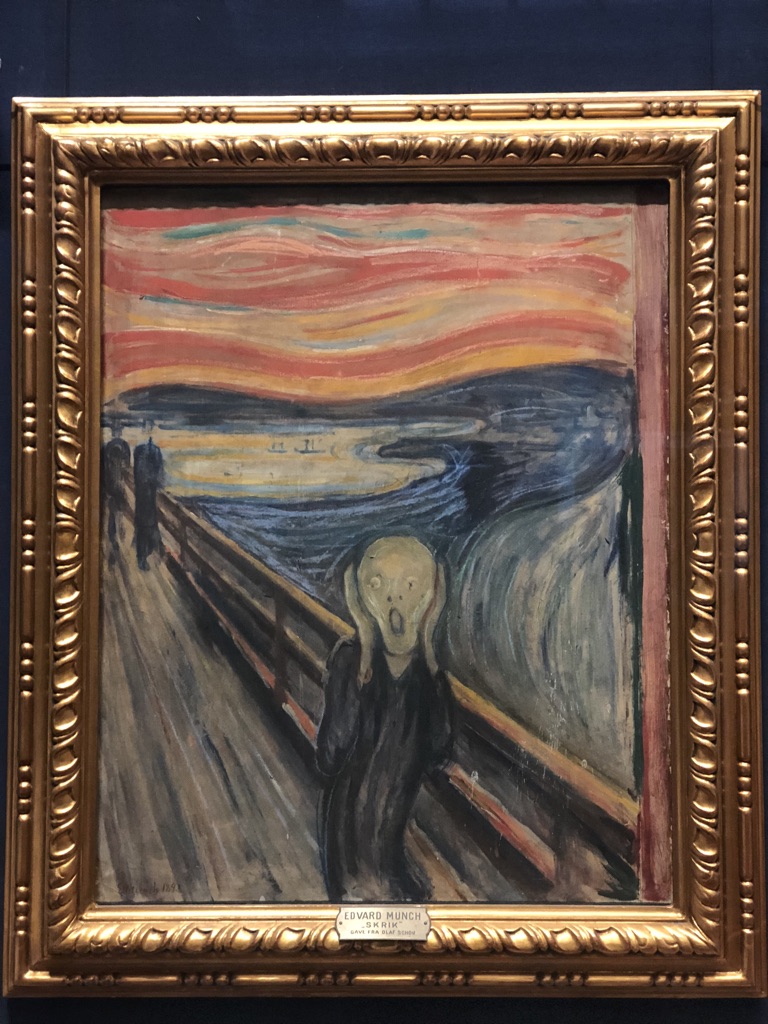
Aside from tipping, familiarizing yourself with the local currency and the value of your country’s dollar compared to your host country’s is crucial. I proceeded to use an app called XE when we first landed in London, but it became especially important throughout our weekend visits. Although a flight to Oslo may be cheap, the moment you land in Norway, the U.S. dollar suddenly becomes worthless in the sense that their prices are raised relatively high, so you’re ultimately spending a lot more. SIDE-NOTE: This is in no way meant to bash Oslo, or Norway in general. In fact, as I mentioned in my last post, Norway was one of the places I dreamed of visiting and can happily say I was not disappointed with the culture!


Although tipping and currency are important aspects of your host country’s culture, understanding the little details are key as well. For example, in London particularly, it is custom to stand on the righthand side when riding up or down an escalator. Although this is most apparent while going through a Tube station, it’s also something to be mindful of when exploring shops and other such places. There may not always be a sign saying to stand on the right, but you may throw everyone off their regular routine if you stand on the left. Most people use this so that anyone in a hurry can walk up the left side, while the rest of the crowd can stand and ride the escalator up on the right. I personally liked this norm and strongly urge the U.S. to pick up on this trend 😉.
As for understanding general aspects, language is a significant part of studying abroad. Chances are good, if you’re not studying abroad in the United Kingdom or Ireland, you’re probably going to have to learn a language. I will say the idea of learning a language abroad did scare me while I was deciding on where to go. As I said previously, I initially wanted to study in Vienna, Austria instead of London, England. If I did study in Vienna, I would have had to learn German while there. I will say the reason why I did not study abroad in Vienna was NOT because I had to learn a language. This was just to say that most places in Europe (or anywhere away from the U.S.) have their own language. I’m going to be completely honest here and say that as important as it is to try and learn the language of your host country, or the other countries you’ll be visiting on weekends, know that most people still have some background in English and many restaurants have English menus so it’s slightly easier to understand. Early on, I sort of panicked before visiting non-English speaking countries, but really, I only had one encounter where I struggled communicating with someone. Surprisingly too, that encounter was at a gift shop in Disneyland Paris. I went up to the register and neither the cashier nor myself could understand each other, but thankfully my roommate knows French, so she chimed in and help me out! But if you don’t have a roommate who speaks French, don’t stress, translator apps like Google Translate may not be 100% accurate, BUT they will help tremendously if you ever get stuck in a language-pickle abroad. The chances of you needing them in Europe is not that high on a broad sense, but also know there is a chance you’ll want to look up some words.
Just know when studying abroad, you will notice cultural differences—whether they be big or small—yet it’s important to stay true to your roots but also, don’t be afraid to explore new opportunities and learn new things!
 Navigating Nomad